Call Me When You Can - Song by Pimmie
THE SONG
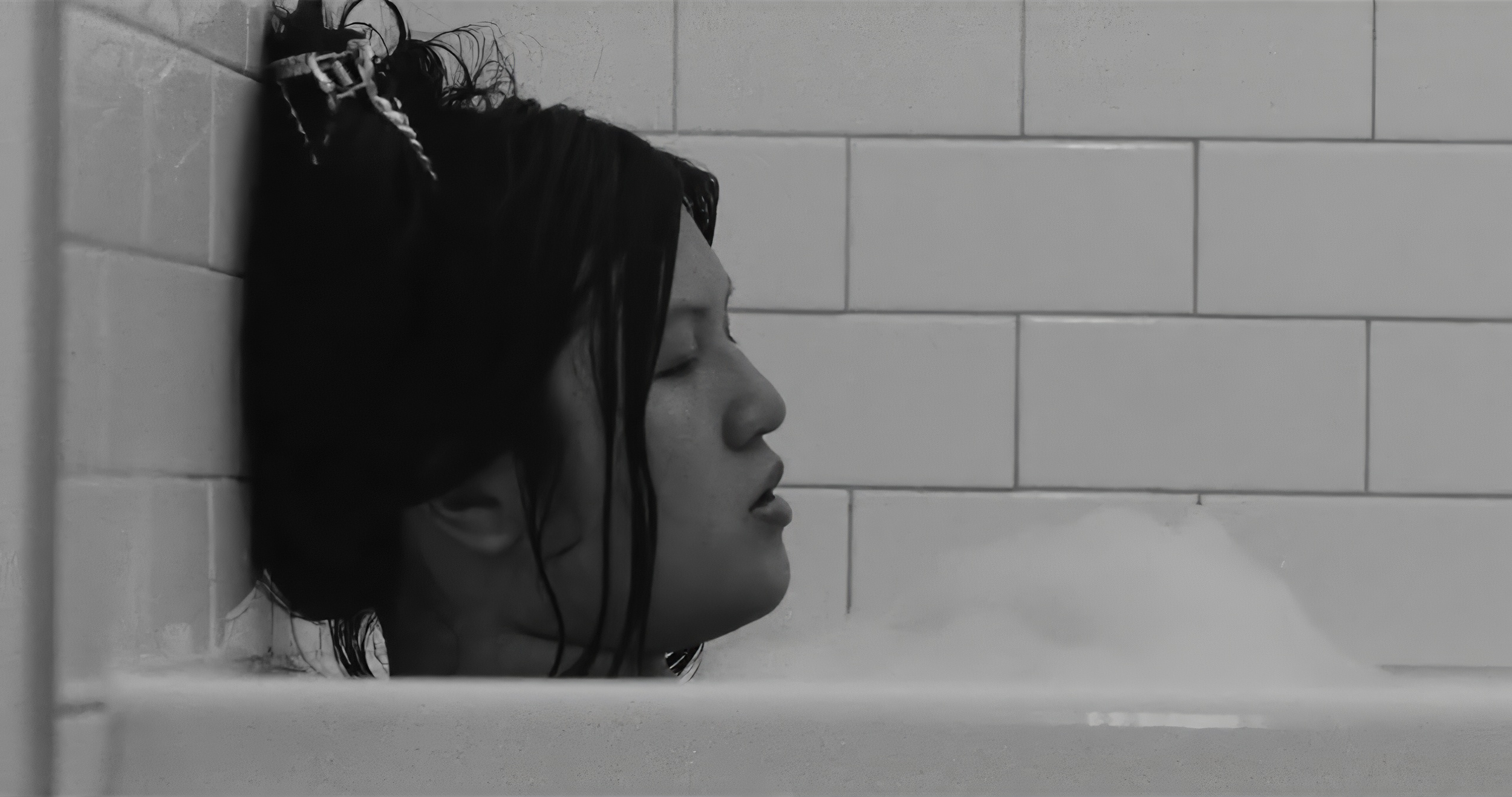
Pimmie doesn’t waste time pretending things are okay. On her new single “Call Me When You Can,” the Houston singer-songwriter strips love down to its ugliest truth: sometimes the person you want the most is the one doing the most damage. Released March 6, 2026, via Drake’s OVO Sound/Sony Music, the track serves as the opening chapter of her upcoming mixtape Don’t Come Home—and it’s less an introduction than it is a warning shot.
Produced by Kevin “KDE” Beggs and Beat Gang alongside IMoveKiloz, the record moves with a quiet, deliberate pulse. The production is sparse—soft, aching chords layered over restrained R&B drums—creating a sense of emotional isolation that mirrors the story Pimmie is telling. There’s no clutter, no distraction. Just space for the truth to land. And the truth hits hard.

Before Pimmie ever asked you to “call me when you can,” she introduced herself with a different kind of tension—one rooted in uncertainty, desire, and emotional contradiction. Her first real moment on the global stage came through Drake’s collaborative project $exy $ongs 4 U, where she appeared on the standout record Pimmie’s Dilemma.
From the jump, Pimmie frames the relationship in question as something already slipping through her fingers:
“Would you leave the streets for me / Could you make it home to me?”
It’s a question that feels rhetorical—less about hope, more about acceptance. She knows the answer. The rest of the song is her coming to terms with it.
“Call Me When You Can” lives in that gray area between love and self-respect, where emotions haven’t caught up to reality yet. Pimmie captures that tension with a kind of blunt clarity that feels almost uncomfortable to sit with:
“Every time you lose control / The damage lands on me.”
There’s no attempt to sugarcoat the imbalance. No attempt to justify it either. Instead, she draws a line—and then, slowly, painfully, steps over it.
The chorus becomes the emotional centerpiece:
“So call me when you can / I gotta set you free.”
It’s not a breakup anthem in the traditional sense. There’s no dramatic exit, no explosive final word. It’s quieter than that. More mature. The kind of ending that comes after you’ve already run out of things to say.
With “Call Me When You Can,” Pimmie isn’t chasing closure. She’s creating distance. And in doing so, she delivers one of the most quietly devastating—and empowering—records of the year.
If Don’t Come Home continues in this direction, Pimmie isn’t just telling her story. She’s documenting a transformation.
LABELS